
India Futures Forum
As the world’s third-largest energy consumer, India sits at the epicenter of the global climate transition. Facing the dual challenge of meeting rapid economic growth and reducing carbon footprints, India has outlined one of the most ambitious clean energy roadmaps in the world.
From scaling massive solar parks to building green hydrogen ecosystems, here is how India plans to transform its energy landscape over the coming decades.
1. The Anchors: Panchamrit and Net Zero 2070
India’s overarching energy roadmap is guided by its Panchamrit (Five Nectars) climate commitments unveiled at COP26 and updated under its Nationally Determined Contributions (NDCs):
- 500 GW Non-Fossil Capacity: Reaching 500 Gigawatts of total non-fossil fuel electricity capacity by 2030.
- 50% Renewable Energy Share: Achieving 50% cumulative electric power installed capacity from non-fossil fuel sources by 2030.
- Emissions Intensity Reduction: Reducing the emissions intensity of GDP by 45% below 2005 levels by 2030.
- Carbon Carbon Reduction: Reducing projected carbon emissions by 1 billion tonnes between now and 2030.
- Net-Zero Target: Reaching ultimate net-zero greenhouse gas emissions by 2070.
2. Core Pillars of the Transition Strategy
A. Solar & Wind Capacity Expansion
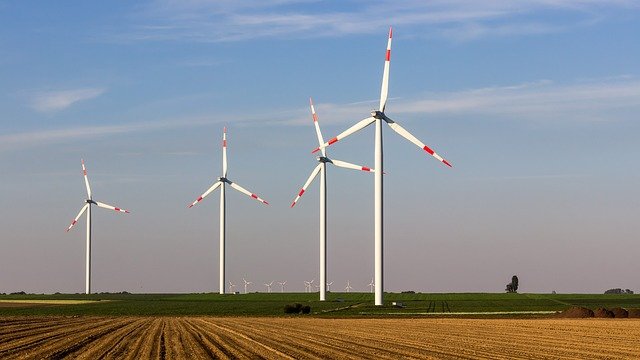
Solar power forms the primary backbone of India’s immediate transition. Initiatives like the PM Surya Ghar: Muft Bijli Yojana (rooftop solar) and mega solar parks are driving mass adoption at both household and utility levels. Meanwhile, offshore wind and hybrid solar-wind farms are expanding to offer balanced power output.
B. National Green Hydrogen Mission
To decarbonize hard-to-abate heavy industries—such as steel, fertilizers, oil refineries, and shipping—India launched the National Green Hydrogen Mission. The goal is to produce 5 million metric tonnes (MMT) of green hydrogen annually by 2030, positioning India as a primary global hub for green fuel manufacturing and exports.
C. Grid Integration and Battery Energy Storage Systems (BESS)
Because renewable sources like solar and wind are intermittent, India is heavily prioritizing Firm and Dispatchable Renewable Energy (FDRE). This involves combining solar, wind, pumped hydro storage, and grid-scale Battery Energy Storage Systems (BESS) to guarantee 24/7 clean baseload power.
D. Bioenergy & E-Mobility Initiatives
- Bioenergy Push: Mandatory blending targets for Ethanol in petrol, Compressed Biogas (CBG) blending in natural gas networks, and agricultural waste-to-energy projects.
- EV Ecosystem: Accelerating electric vehicle (EV) manufacturing, battery chemistry localization, and nationwide charging infrastructure expansion.
3. Key Challenges on the Horizon
While progress has been swift, navigating a transition of this scale involves navigating structural hurdles:
- Grid Resilience: Upgrading aging transmission infrastructure to handle high volumes of variable renewable energy.
- Financing the Future: Mobilizing the hundreds of billions of dollars in low-cost capital required for clean tech CapEx and grid storage.
- Supply Chain Security: Securing critical minerals (lithium, cobalt, rare earth elements) and manufacturing capabilities locally to avoid import dependencies.
- Just Transition: Ensuring that coal-dependent communities and workers experience a fair, planned economic transition as fossil capacity phases down over the long term.
The Road Ahead
India’s energy transition is not merely an environmental policy—it is a comprehensive national development strategy. By coupling aggressive renewable targets with localized manufacturing incentives, India is building an energy ecosystem designed to deliver clean, secure, and affordable power for generations to come.
Leave a Reply